The Performer's Body since the Pandemic
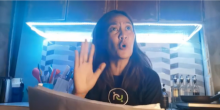
As a performer, I was displaced once during the pandemic but learned to adapt and migrate performance on a different platform.
Playwright Layeta Bucoy and I co-created the MonoVlog, a coinage that fuses “monologue” and “vlog.”
Developed during the COVID-19 lockdown in the Philippines, the MonoVlog is a digital space for storytelling that captures the diverse experiences of Filipinos in isolation. We released 13 MonoVlogs via my personal Facebook Live account during the Metro Manila lockdown due to the COVID-19 threat. A month ago, Facebook changed its terms and wiped out all of our MonoVlogs. The feelings of sadness surged through me and then a loud, absurd laughter came out of me. Like I asked Layeta, I bet we could tell our critics in 2020 that MonoVlog is theatre because Facebook deleting all our MonoVlogs makes it ephemeral.
I thought about what my body went through in 2020 from being displaced because of the shutdown of theatre auditoriums. My body transformed to a digital body allowing it to tranform into Zoom and other social media platforms. In 2021, I got COVID and didn't even know I had it while performing one MonoVlog.
Now that auditoriums have opened again, my body performed in onsite performances and I somehow realized that my body wasn't just a significant site for digital/online and onsite performances, but it was also a skilled body that absorbed the shifting practices in theatre since 2020.
I'm currently designing a 15-minute performance-installation for my presentation in the upcoming 2025 Performance Studies International in Brazil. This performance becomes a time capsule of pandemic performances in the Philippines. The piece explores what it means to be displaced, to live between identities, and to make performance in a world that’s shifting under our feet. Through my body, costumes, and props, I bring to life Olive, the performer, navigating the messy, beautiful chaos of creating performances in a new, digital space. There’s a lot of trial, a good bit of error, and plenty of questioning what performance even means in today’s Philippines.
In the process, I channel three key characters from digital performances that I performed in 2022 whose stories echo mine: Panchang, a religious theatre performer afraid of being replaced by a newer troupe; Maria Clara, the iconic Filipina figure (from Rizal’s Noli Me Tangere) reimagined as a brown actor rather than a mestiza; and Olivia, my modern-day MonoVlogger alter ego who unpacks her creative process through an improvised, overly academic, and sometimes hilariously awkward vlog.
Their stories (and mine) are tied together by a sense of loss, survival, and the search for belonging. It's a time capsule of what it means to create in a colonized, pandemic-fractured world, where the boundaries of theatre, identity, and home are constantly being redrawn.
My tiny apartment became my stage. I drafted set plans to transform the space into various scenes.
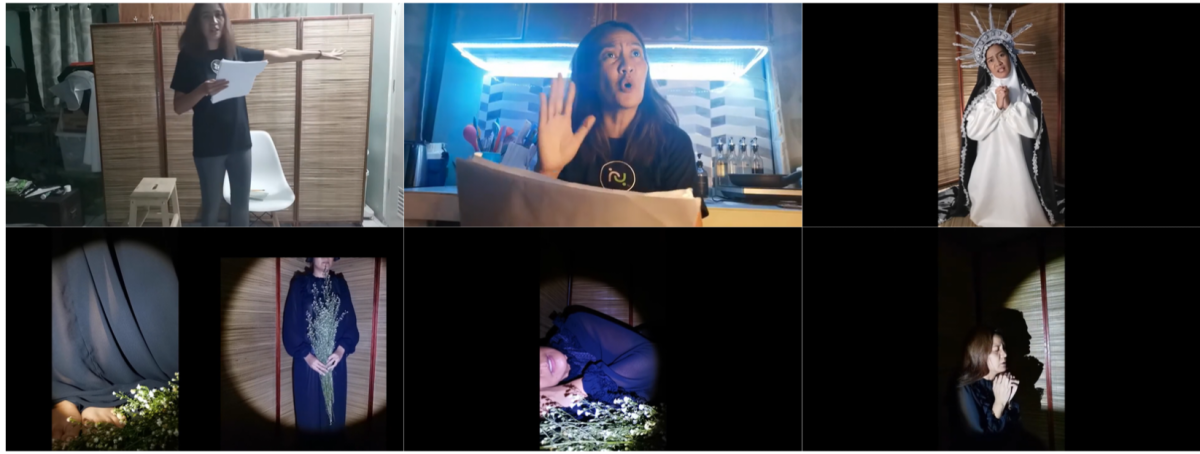
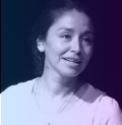
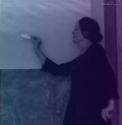
In the first photo, I’m seen rehearsing in that very apartment. At the time, my costumes(designed by my colleague Carlo Pagunaling) had not yet arrived. He had limited access to his seamstress, and delivery services were restricted to transporting essential goods. Because of this, I couldn't record my scenes in chronological order.
The second photo shows me rehearsing lines in the kitchen, surrounded by multicolored LED lights, cooking utensils, and condiments. My background (and me holding a script) became a familiar sight in digital and online performances during the pandemic.
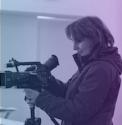
By the third photo, some of the costumes had started to arrive. I shot scenes using whatever pieces were available. Because I was too tall for my camera setup in the confined space, I adjusted my blocking to lower levels—sitting, crouching, and kneeling became essential tools.
In the second row of photos, I applied a lighting trick I learned from Filipino drag queens performing online: to create a spotlight or isolation effect, I bought a cheap LED flashlight from an online shopping app. It worked.
My home became everyone’s home, shared through the digital stage.
Olive Nieto